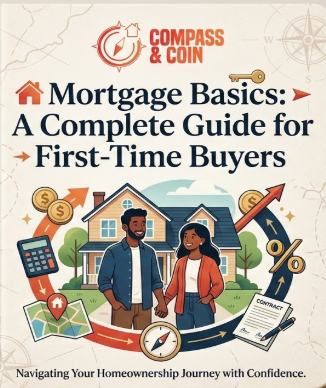
🏡 Mortgage Basics: A Complete Guide for First-Time Buyers
Buying your first home is exciting—but let’s be honest, it can also feel confusing. Terms like “mortgage,” “interest rates,” and “EMI” might sound complicated at first. The good news? Once you understand the basics, everything becomes much clearer.
This guide will walk you through mortgages in a simple, human way—no complicated jargon, just what you actually need to know.
💡 What Is a Mortgage (In Simple Words)?
A mortgage is simply a loan you take to buy a property.
Instead of paying the full price upfront, a bank or lender helps you purchase the home. You then repay the loan in monthly installments (EMIs) over a set period—usually 10 to 30 years.
👉 Think of it like this:
You get the house today, and pay for it slowly over time.
🧠 How Does a Mortgage Work?
Here’s how it typically works:
-
You choose a property
-
You pay a small portion upfront (down payment)
-
The lender pays the remaining amount
-
You repay the lender every month with interest
Your monthly payment usually includes:
-
Loan amount (principal)
-
Interest charged by the lender
📊 Types of Mortgages You Should Know
Not all mortgages are the same. Here are the most common types:
1. Fixed-Rate Mortgage
-
Interest rate stays the same
-
Monthly payments remain stable
-
Best for long-term planning
2. Variable (Floating) Rate Mortgage
-
Interest rate can change over time
-
Payments may increase or decrease
-
Can be beneficial if rates drop
💰 What Affects Your Mortgage Approval?
Before approving your loan, lenders usually check:
-
Your income stability
-
Credit score
-
Existing debts
-
Employment status
👉 The stronger your financial profile, the easier it is to get approved—and often at better interest rates.
🏦 How Much Mortgage Can You Afford?
A simple rule:
👉 Your EMI should not exceed 30–40% of your monthly income
This helps you manage your finances comfortably without stress.
⚠️ Common Mistakes First-Time Buyers Make
Avoid these if you want a smooth experience:
-
Not checking your credit score early
-
Ignoring additional costs (registration, maintenance, etc.)
-
Choosing the wrong loan type
-
Borrowing more than you can afford
📋 Documents You’ll Typically Need
To apply for a mortgage, you’ll usually need:
-
Identity proof
-
Income proof (salary slips / bank statements)
-
Employment details
-
Property documents
🚀 Why Mortgages Are a Smart Move
A mortgage isn’t just a loan—it’s a step toward building your future.
Benefits include:
-
You don’t need full cash upfront
-
You can invest in property earlier
-
Property value may grow over time
-
Possible tax benefits (depending on your country)
🏁 Final Thoughts
Getting a mortgage may seem overwhelming at first, but it’s actually a straightforward process once you understand the basics.
Start simple. Plan wisely. And most importantly—choose a mortgage that fits your financial comfort.
📞 Need Help with Your Mortgage?
If you're planning to buy your first home and want expert guidance, we’re here to help you every step of the way.
👉 Contact us today to get started on your homeownership journey.
Compass and Coin Mortgages
Phone number : 971528426365
Email id : admin@compassandcoin.com
Visit : www.compassandcoin.com
.png)

.png)